
European Markets Reflect Caution as Sanofi Expands Portfolio and France Raises Concerns Over US Visa Policy
Navigating Economic Currents: Europe’s Outlook, Biotech Mergers, and Diplomatic Friction
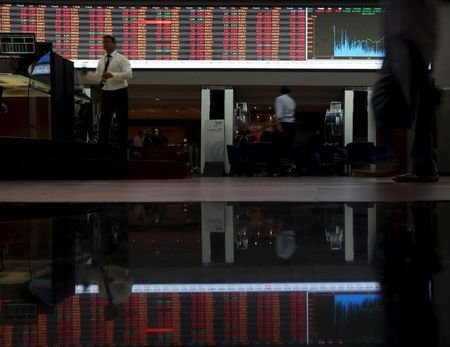
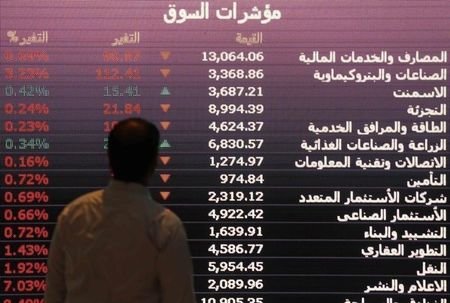
The financial landscape across Europe has recently seen subdued activity, with major stock indices largely treading water amidst a complex global economic backdrop. Investors and analysts alike closely monitor various factors, from evolving central bank policies to geopolitical uncertainties, which collectively contribute to this cautious sentiment. This muted performance indicates a wait-and-see approach as markets digest incoming economic data.
A climate of apprehension has settled over key bourses, including the FTSE 100 in London, the DAX in Frankfurt, and the CAC 40 in Paris. These leading indices have struggled to find significant upward momentum, reflecting broader concerns about inflation, supply chain disruptions, and the trajectory of post-pandemic recovery. Traders are exercising prudence, leading to lower trading volumes and a more range-bound market environment.
In the pharmaceutical sector, a significant development unfolded as French drug giant Sanofi announced its strategic move to acquire Dynavax Technologies. This acquisition signals Sanofi’s ongoing commitment to strengthening its presence in key therapeutic areas and enhancing its innovative product pipeline. Such mergers are pivotal in the highly competitive and research-intensive biopharmaceutical industry, promising potential advancements in healthcare solutions.
Dynavax, a California-based biotechnology firm, brings to the table expertise particularly in novel vaccines and immunotherapies. For Sanofi, this deal represents an opportunity to integrate cutting-edge research and development capabilities, potentially accelerating the delivery of new treatments. The synergy between these two companies could unlock considerable value and drive future growth in a critical health domain.
Meanwhile, diplomatic tensions have flared between France and the United States concerning a contentious U.S. visa policy. The French government has voiced strong disapproval of the recent measures, articulating profound objections to restrictions impacting its citizens. This condemnation underscores growing friction from unilateral policy decisions on the international stage, especially when affecting personal freedoms and cross-border movement.
The U.S. visa ban has sparked considerable concern among French officials, who argue that the policy is discriminatory and detrimental to transatlantic relations. Such restrictions affect not only individuals planning travel but also have broader implications for academic exchanges, business interactions, and cultural ties between the two nations. Paris views the policy as an impediment to the free flow of people and ideas.
This diplomatic spat highlights the delicate balance of international relations, where domestic policies can have significant foreign policy repercussions. France’s vocal stance reflects a broader European sentiment regarding policies perceived to undermine mutual understanding and cooperation. Resolving such disagreements requires careful negotiation and a recognition of shared interests amongst longstanding allies.
The ongoing dialogue between France and the U.S. will be crucial in mitigating the impact of these visa restrictions and fostering a more constructive relationship. Both sides need to engage in open communication to address underlying concerns and work towards solutions that respect national sovereignty while upholding fairness and reciprocity. This extends beyond immediate travel concerns, touching upon the future of bilateral trust.
Collectively, these distinct events – a cautious European market, a strategic pharmaceutical acquisition, and an unfolding diplomatic disagreement – paint a complex picture of the current global environment. Each development carries its own set of challenges and opportunities, influencing economic forecasts, corporate strategies, and international alliances. Staying abreast of these shifts is essential for understanding the broader currents shaping our world.
As financial markets continue to navigate periods of uncertainty and corporations pursue strategic growth through mergers, the global stage remains a dynamic arena where political decisions can significantly impact economic and social landscapes. The interplay between these forces demands constant vigilance and adaptation from all stakeholders, ensuring that both economic stability and diplomatic harmony are prioritised for future prosperity.