
Festive Commodity Markets: Gold and Silver Ease as Oil Faces Steep Drop
Global Commodity Markets Reflect Festive Calm and Economic Jitters
As the quiet calm of Christmas Eve settled across global financial markets, the commodity sector presented a diverse and noteworthy picture. Precious metals such as gold and silver experienced a gentle easing in their prices, a common occurrence during periods of reduced trading activity and festive sentiment. This subtle shift offered a momentary pause for investors.
Gold, the traditional safe-haven asset, saw its value soften slightly as some investors opted to secure profits after a period of relative stability. Lower trading volumes inherent in the holiday season often lead to minor price adjustments, reflecting market ebb and flow rather than significant underlying bearish pressure. This contributes to typical festive market behaviour.
Similarly, silver, frequently mirroring gold’s trajectory, also experienced a marginal retreat in its spot price. The industrial metal’s performance was influenced by the broader market sentiment and the seasonal lull, indicating a temporary lack of strong buying momentum as market participants prepared for the holidays. Its movements are often correlated with its shinier counterpart.
Both gold and silver faced additional headwinds from a strengthening US dollar. A more robust dollar typically makes dollar-denominated commodities more expensive for international buyers, thereby dampening demand. This currency dynamic played a crucial role in their short-term price adjustments, alongside reduced market liquidity.
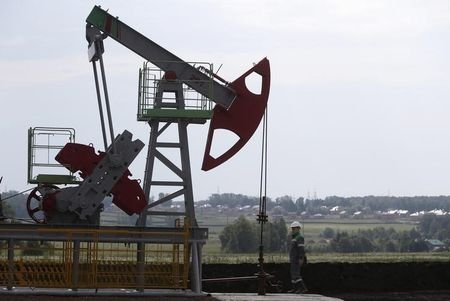
In stark contrast, the oil market endured a far more dramatic downturn, heading towards its most substantial weekly decline since the tumultuous year of 2020. This sharp depreciation in crude prices sent ripples through the energy sector, signalling pronounced anxieties regarding global economic growth and future demand prospects. Such a significant movement demands careful scrutiny.
The primary catalyst for oil’s dramatic fall appeared to be escalating global economic growth concerns, particularly fuelled by fears surrounding new virus variants and potential renewed lockdown measures. Such anxieties directly translate into expectations of reduced industrial activity and lower travel, significantly curbing worldwide demand for crude oil.
Furthermore, an unexpected build-up in US crude oil inventories compounded the bearish sentiment. Reports indicating higher stockpiles suggested an oversupply in the market, placing additional pressure on prices already struggling with demand uncertainties. This imbalance between supply and consumption is a critical factor for energy price stability.
The comparison to 2020, a year marked by an unprecedented collapse in oil demand and prices, highlights the severity of the current downturn. While not as extreme, the fact that this drop is of a similar magnitude signals significant market distress. It prompts a re-evaluation of global economic recovery timelines and energy consumption forecasts moving forward.
Looking ahead, market participants will closely monitor central bank policies, particularly the Federal Reserve’s stance on interest rates. Any hawkish signals could further strengthen the dollar, potentially exerting more downward pressure on a range of commodity prices, including oil, by increasing their cost for international purchasers.
For precious metals, the new year may bring renewed interest if inflation concerns persist or if geopolitical uncertainties heighten. However, a continued strong dollar could temper these gains. Their performance will depend on a delicate balance of economic indicators and investor sentiment.
In conclusion, Christmas Eve brought a stark contrast in commodity market fortunes. Gold and silver experienced a modest retreat amidst festive calm, while oil witnessed a significant plunge driven by economic anxieties. These divergent trends underscore the complex forces at play, setting the stage for dynamic trading in the new year.